How to Review an Animated Portrait Before Sharing the Full Clip
AnimaMoments ·
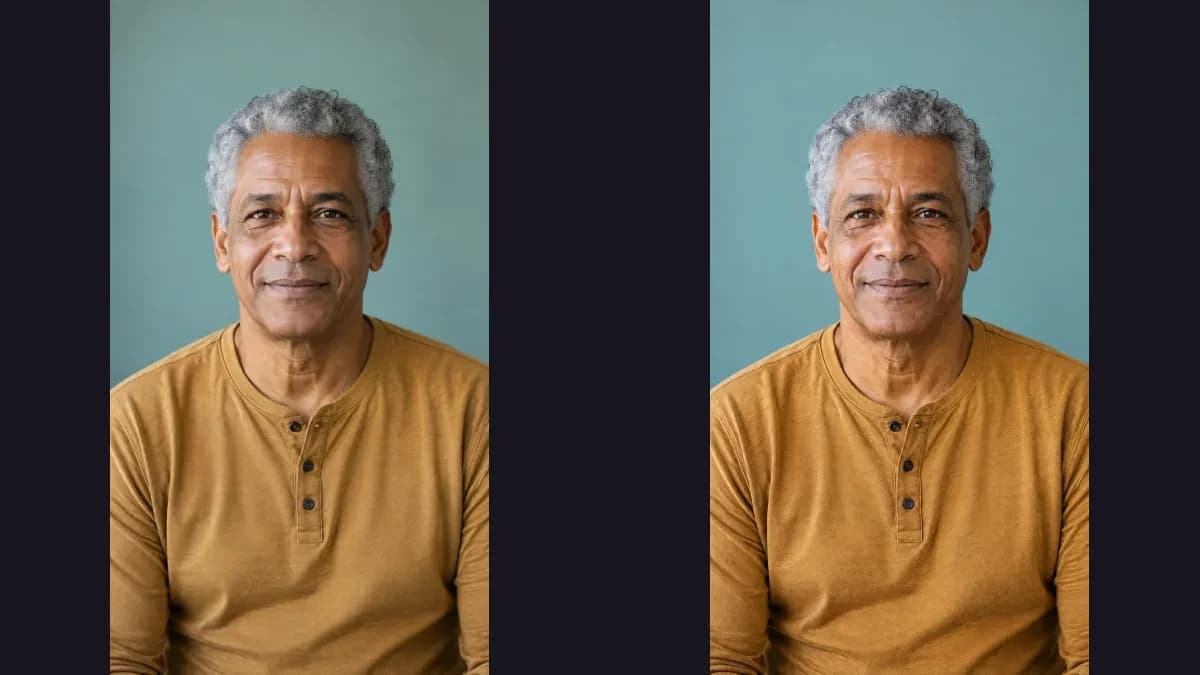
A sharp opening frame is not enough to approve an animated portrait. Watch the entire clip once for overall recognition, then review the blink, small smile, slight head tilt, and camera movement in sequence. Use the filled example and blank keep-or-stop log below to decide whether the face remains recognizable throughout the video.
The keep-or-stop review card
Copy this card before you watch the clip: Time or phase — [timestamp, beginning, movement, or ending]. Subject anchors — [hair, face shape, eyes, eyebrows, nose, mouth, ears, skin tone, clothing]. Beginning — [Is the face recognizable before movement starts?]. Movement — [Do the eyes reopen naturally after the blink? Do the lips remain coherent and recognizable as the expression changes? Does the head tilt preserve the jawline and ears?]. Camera movement — [Does the slow push-in keep the face stable without stretching or melting?]. Ending — [Is the person still recognizable in the final frames?]. Decision — Keep / Stop. Observation — [what you actually see]. Reason — [why it affects your decision].
Keep the clip only if the whole portrait serves your purpose and you can recognize the person throughout it. Stop if the face becomes a different-looking person, the eyes or mouth merge or melt, extra teeth appear, the hairline or ears change distractingly, or the camera movement creates visible warping. A blink, a growing closed-mouth smile, or a gentle tilt is not automatically a defect; the question is whether recognizable features remain consistent.
A practical full-duration review
First, play the clip from beginning to end without pausing. Check the overall impression: does the subject remain the same adult, and does the motion stay calm and coherent? Do not decide from a thumbnail, a still frame, or the most attractive moment.
Play it again and divide your notes into three phases. At the beginning, compare the first frame with the source or prepared still: hairline, face shape, eye spacing, eyebrows, nose, lips, ears, skin tone, and clothing should establish your recognition anchors. During movement, watch the blink, eye reopening, gradual closed-mouth smile, slight head tilt, and slow camera push-in. At the ending, check whether the final closer view still looks like the same person and whether the background remains free of distracting distortions.
Filled example: one fictional adult portrait
For a fictional adult man with warm brown skin, short gray curls, a clean-shaven face, natural facial lines, and an ochre henley shirt against a muted teal wall, the review anchors are the gray curl pattern, complete hairline, eye shape and spacing, facial lines, jawline, ears, and closed mouth. The beginning check asks whether these features are clear before motion starts.
During the movement phase, record whether both eyes close and reopen as the same eyes, whether the small smile changes the lips without reshaping the whole mouth, and whether the slight head tilt preserves the jawline, ears, and hairline. As the camera moves closer, inspect the nose, cheeks, skin texture, and eyes for stretching, flicker, or feature blending. At the ending, confirm that the closer portrait is still recognizable and that the teal wall has not become a distracting moving pattern. This is a review example, not proof of perfect identity preservation.
Troubleshooting the decision
If the face looks different only during one brief transition, replay that section several times and note the exact feature that changes. If the issue affects recognition, stop and set the clip aside. If the person remains recognizable but the background ripples during the push-in, decide whether that distraction matters for your intended audience; do not describe the result as clean if it pulls attention away from the face.
If the first frame is already difficult to recognize, improve the source choice before judging the animation. If the prepared still changes a recognizable feature, review that still before considering the video. A prepared still is not evidence that the finished animation will behave well, so approval requires watching the actual full-duration clip.
Using the Living Photo style
AnimaMoments’ Living Photo style uses one uploaded photo. After selecting the style and uploading the source, it prepares a still and generates a portrait video with gentle breathing, soft blinks, a slight head tilt, a slowly growing closed-mouth smile, and a very slow camera push-in. These are the style’s requested behaviors; there are no user controls for motion strength, voice, song, or duration described here.
The example uses one synthetic portrait of a fictional adult man. The prepared still and generated video are illustrations, not customer evidence, historical footage, or a promise of exact likeness. Review the complete video yourself before sharing, and disclose that the portrait is an AI-generated interpretation when that context matters.
Illustrative example
A full-clip check for a gentle living portrait
This example uses one synthetic vertical portrait of a fictional 61-year-old man with short gray curls, warm brown skin, an ochre henley shirt, and a muted teal wall. The Living Photo style prepares the still and generates one portrait video with breathing, soft blinks, a slight head tilt, a closed-mouth smile, and a slow push-in. Review the full video for consistent eyes, mouth, jawline, ears, hairline, and background before deciding whether to share it.
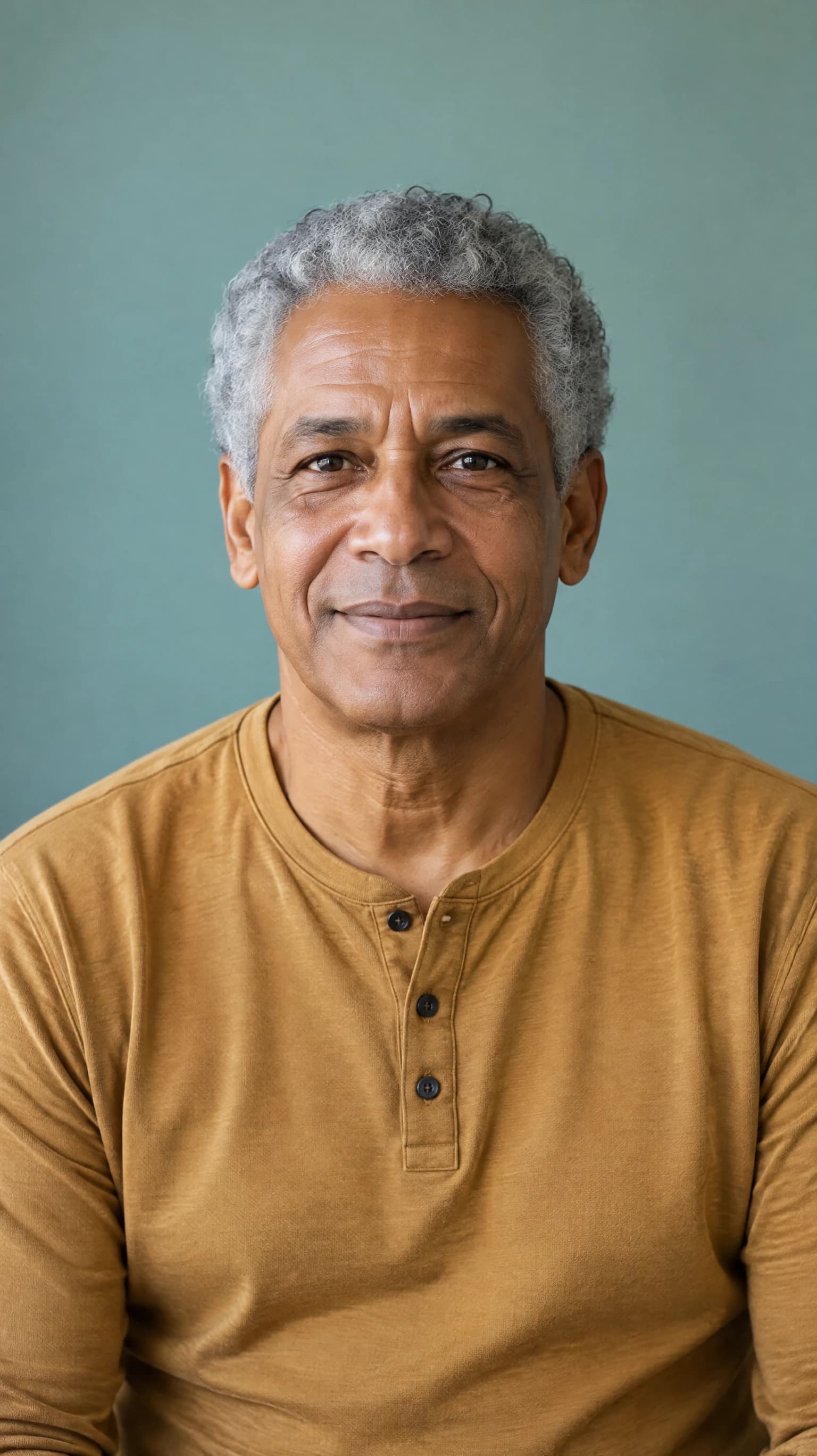

A synthetic portrait of one entirely fictional adult man with warm brown skin, short naturally curly gray hair, a clean-shaven face, natural facial lines, and an ochre cotton henley shirt. He sits with relaxed shoulders facing the camera against a quiet muted teal wall in soft window light, with his complete head, both ears, shoulders, and upper torso visible. This is an illustrative source for a living portrait, not a real person or event.
All example media use synthetic inputs and depict the fictional adult, object, or setting described in this example. This is an illustrative example, not a customer result; outcomes vary.
FAQ
Can I approve an animated portrait from its first frame?
No. The first frame can look convincing while a blink, smile, head tilt, or camera push-in changes recognizable features. Watch the entire clip before sharing.
What facial changes mean I should stop?
Stop for a newly different face, merged or melting eyes or mouth, extra teeth, a changing hairline or ears, severe flicker, or any distortion that makes the person difficult to recognize.
Does a gentle blink or smile count as facial distortion?
No. Those movements are part of the requested living-portrait style. Judge whether the same eyes, mouth, jawline, ears, and other recognition anchors remain consistent during the movement.